
I love Utah. But all the changes with COVID provided me an opportunity. I was suddenly working from home. I reasoned: if I could work remotely, why not take evening classes at a seminary?
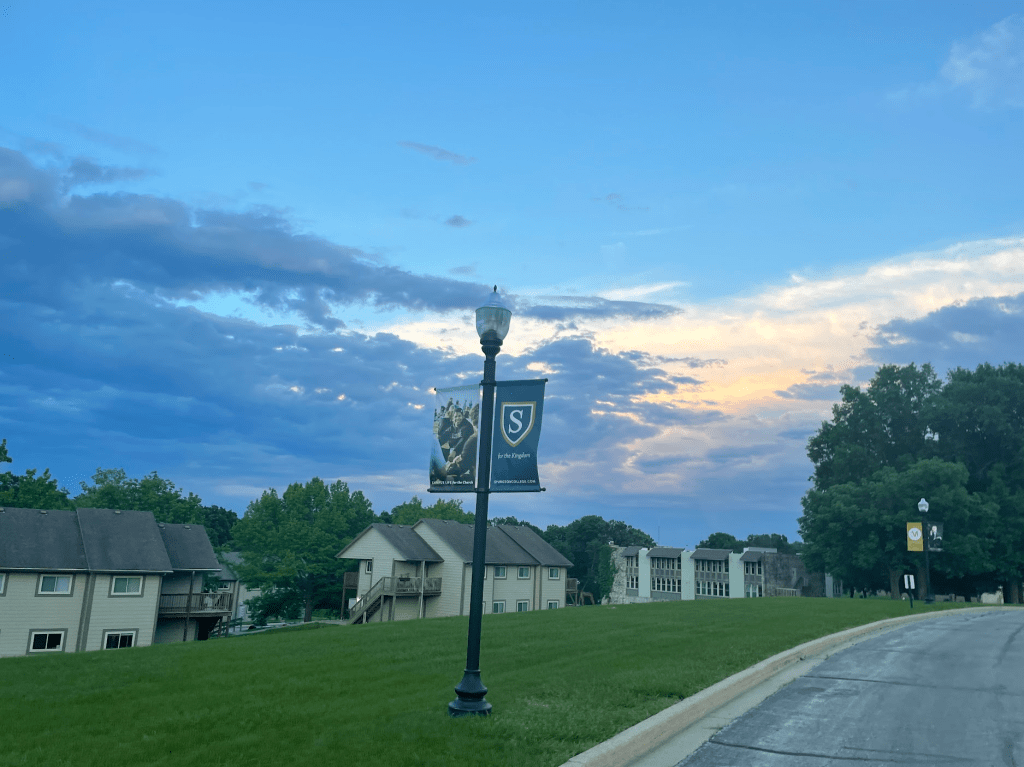
So I moved in 2020 to Kansas City, Missouri, to attend Midwestern Baptist Theological Seminary.
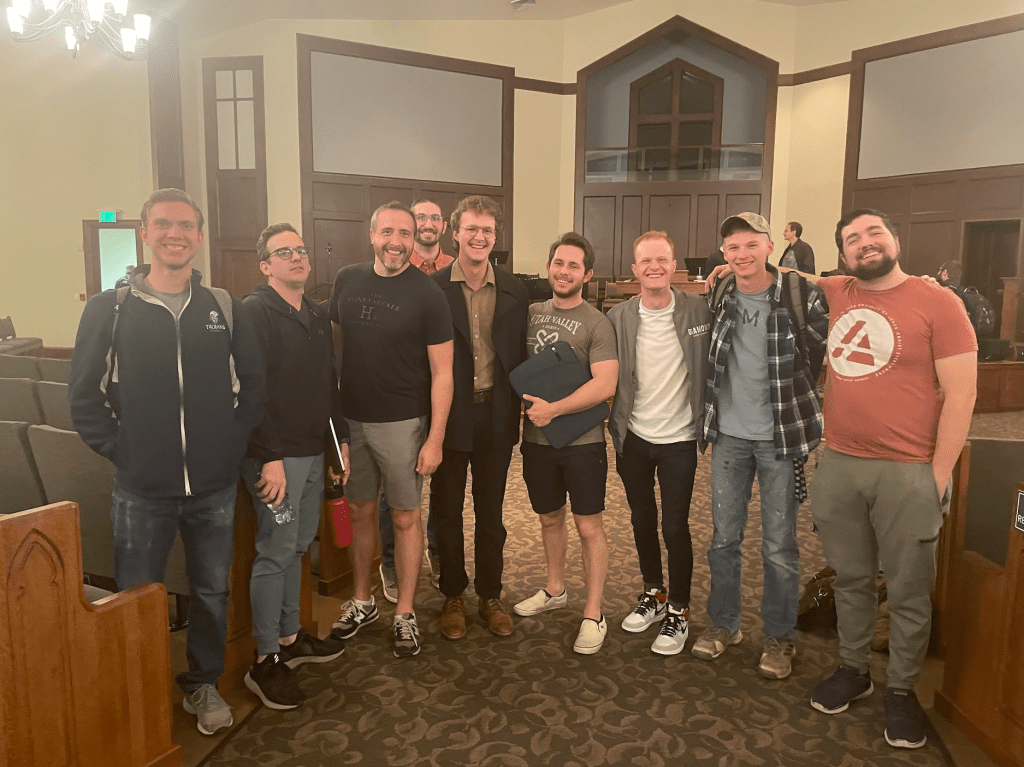
It has been a blessing. My daughters dash out the door in the morning to play with their campus friends. We now live on campus among believers and have made some dear friends.
I am moving back to Utah this July, and now I reflect on what God has taught me.
When I first moved here I asked a brother (Garrett) what advice he could give me for the seminary experience. He advised:
- Take the initiative to make relationships. More people than you realize are just waiting for others to take the initiative.
- Don’t murmur or complain. You might find yourself in a funk where this is tempting.
- Choose classes based on the professor, not the topic.
Here are some other things I picked up along the way:
Continue reading “Lessons Learned at Seminary”



 I Am Aaron Shafovaloff